How can I fully disconnect and relax?
Vacations are meant to be restful and a time for rejuvenation, a break from the hustle and bustle of daily life. Yet, many of us struggle to fully disconnect from work and daily responsibilities. Achieving true relaxation requires intentional planning and commitment to unplugging. But how?
1. Set Boundaries Before You Leave
Disconnecting starts long before your vacation begins. Establishing boundaries with work and other commitments ensures you won’t be dragged back into the stress you’re trying to escape.
- Notify colleagues early: Inform your coworkers and clients about your vacation dates well in advance. Set clear expectations about when you’ll be unavailable.
- Delegate tasks: Assign your responsibilities to trusted colleagues or team members to avoid last-minute emergencies.
- Activate an out-of-office message: Craft a polite yet firm email autoresponder that communicates your unavailability and provides alternative contacts for urgent matters.
2. Limit Technology Use
 One of the biggest obstacles to fully relaxing is our dependence on technology. To disconnect, you’ll need to manage your digital habits deliberately.
- Turn off notifications: Silence notifications for email, message apps, and social media. Better yet, temporarily delete these apps from your phone.
- Set screen-free zones: Designate certain times or places, like mornings or mealtimes, to be free of screens.
- Use a travel journal: Instead of documenting your trip on social media in real time, jot down your experiences in a journal. This encourages mindfulness and keeps you present.
3. Plan Relaxing Activities
The structure of your vacation plays a significant role in how relaxed you feel. Overloading your itinerary can lead to more stress instead of relaxation.
- Prioritize leisure: Include downtime in your schedule, whether it’s lounging by the pool, reading a book, or taking a nap.
- Engage in wellness practices: Activities like yoga, meditation, or spa treatments can help you unwind both physically and mentally.
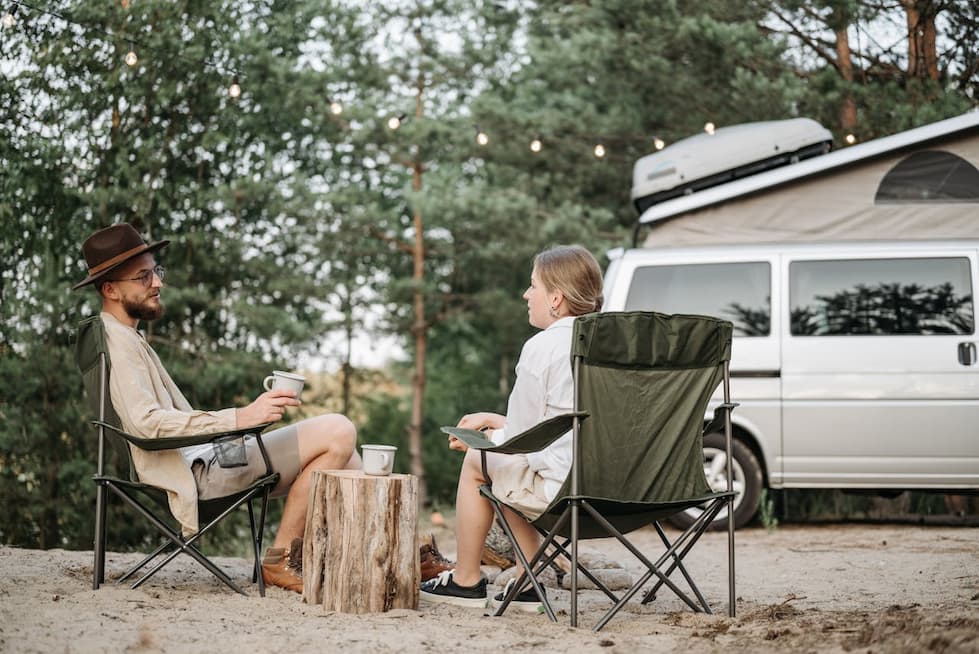
- Explore nature: Spending time outdoors, such as hiking, swimming, or simply walking on the beach, can significantly lower stress levels.
4. Be Present in the Moment
Often, our minds are so preoccupied with what’s next that we forget to enjoy the present. Practicing mindfulness can help you fully experience your vacation.
- Practice deep breathing: Spend a few minutes each day focusing on your breath to center yourself.
- Focus on your senses: Engage with your surroundings by noticing sights, sounds, and smells – whether it’s the rustling of leaves or the aroma of a delicious meal.
- Slow down: Resist the urge to rush from one activity to the next. Instead, savor each moment fully.
5. Let Go of Perfectionism
Vacations don’t have to be picture-perfect to be meaningful. Letting go of unrealistic expectations can help you relax and enjoy the experience for what it is.
- Embrace imperfections: Delayed flights, unexpected weather, or minor mishaps are part of the adventure. Try to laugh them off instead of allowing them to stress you out.
- Avoid over-planning: Leave room for spontaneity. Some of the best memories come from unplanned moments.
- Focus on connection: Prioritize quality time with loved ones over ticking off a list of “must-see” attractions.

6. Reflect and Recharge
A successful vacation doesn’t end when you return home. Taking time to reflect on your experience can extend the relaxation benefits.
- Journal about your trip: Write down highlights, lessons learned, and moments of gratitude so you can remember them fully.
- Ease back into routine: Give yourself a buffer day before returning to work. Use this time to unpack, rest, and mentally prepare for continuing your daily routines.
- Incorporate vacation habits: Identify relaxing practices from your vacation, like morning walks or digital detoxes, and integrate them into your daily life.

Taking a vacation is an act of self-care, but its effectiveness depends on your ability to disconnect and truly relax. If you struggle with relaxation and self-care, it may be helpful to learn these skills from a mental health professional. Working with a therapist can help you develop strategies that can help. Therapists at Wellness Matters specialize in dealing with issues of relaxation and self care. Feel free to contact us today to set up an appointment. You can connect with the Wellness Matters Intake Coordinator by texting or calling (218) 616-1276
At Wellness Matters, the intake process is all on-line and can be done in less than fifteen minutes. On-line appointments make it possible to attend appointments from the comfort from your home or office. In-person services may also be available for people living in northern MN.