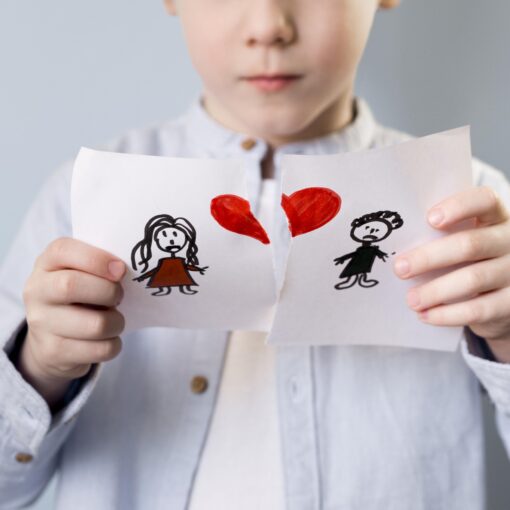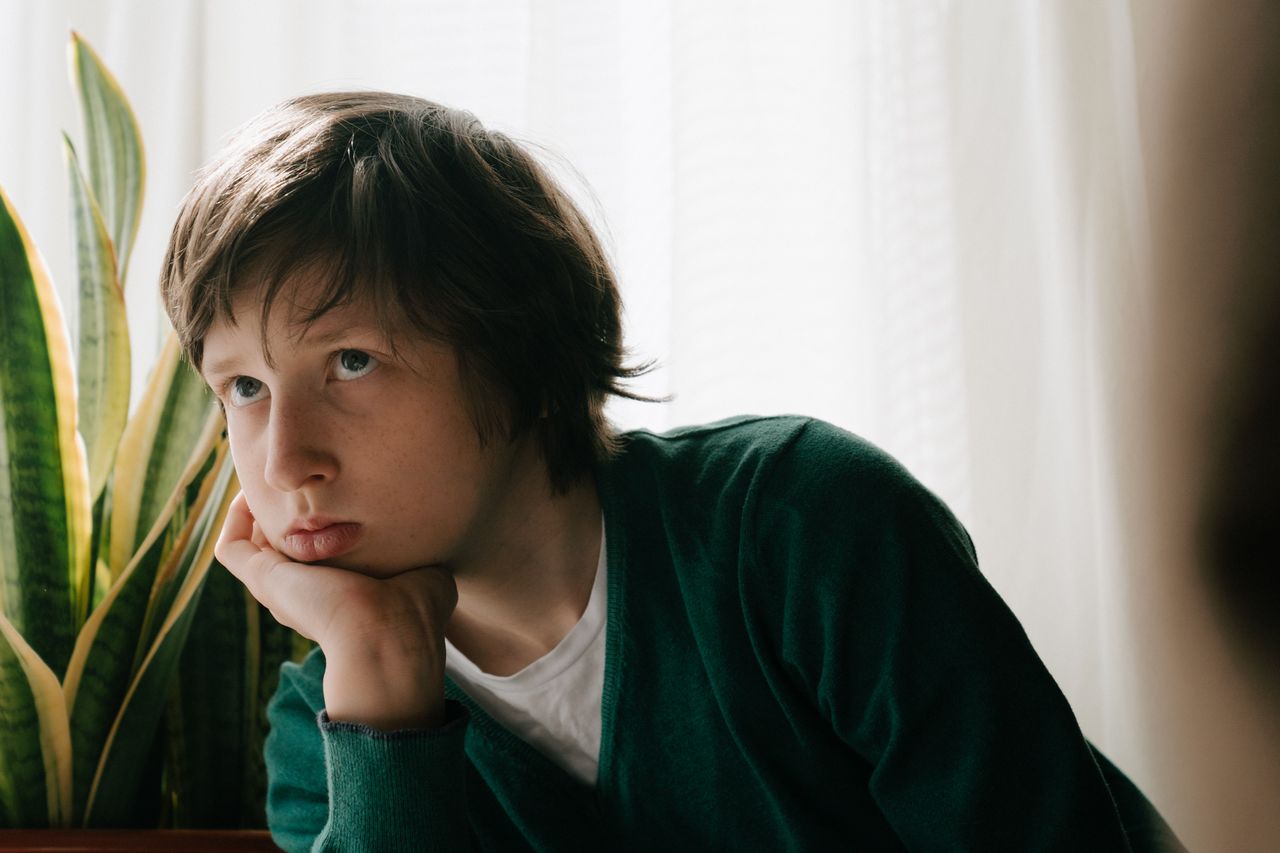
For many families, the holidays carry an unspoken assumption: that the traditions built when your children were young will continue, unchanged, into adulthood. Yet once your children grow up, move out, and build lives of their own, they are no longer simply extensions of your household. They are members of new, distinct family systems, complete with partners, jobs, and commitments of their own.
When old expectations collide with this new reality, the resulting tension often feels far bigger than a disagreement about menus or calendar dates. For many parents, it registers as something closer to grief.
Why the Shift Feels So Personal
 For years, your identity as a parent was reinforced by your role as the organizer and anchor of your children’s lives. As adult children establish their own households and partnerships, it is natural for parents to feel a sense of loss when old roles shift.
When an adult child mentions that they can only stay for a few hours, or that they are dividing the day between two families, it can feel less like a scheduling issue and more like a threat to your place in their life. Left unexamined, this reaction can lead to guilt, passive-aggressive comments, or withdrawal, all of which tend to push adult children further away rather than drawing them closer.
From Director to Host
Much of the friction that surfaces around adult family holidays comes from treating past traditions as a fixed, unspoken agreement your children are expected to renew every year. When you insist on old arrangements, whether it is who hosts, or how the day should unfold, you are rarely arguing about logistics alone.
Underneath the disagreement is often a deeper question about respect, relevance, and connection. Adult children frequently feel pressure to become a younger, more compliant version of themselves the moment they walk through your door. Genuine growth in this relationship means stepping out of the role of director and into the role of host, one who recognizes that honoring your child’s autonomy does not diminish the relationship. It simply reshapes it into something built for who you both are now, rather than who you once were.
Responding in the Moment
When a change in holiday plans catches you off guard and stirs frustration or disappointment, it helps to pause before reacting. Sending a message or voicing your feelings when upset rarely leads to anything productive. Instead, take a moment to calm your body first. Even something as simple as a slow, deliberate breath can help you respond thoughtfully rather than reactively.
Once you feel steadier, it can help to name what you are feeling honestly, while still respecting your child’s independence. Consider acknowledging that the change feels difficult, while also affirming that you understand they have their own life to balance. This can open the door to a more collaborative conversation about how to spend time together this season.
Adjusting holiday expectations with adult children is not always easy. Still, it offers a meaningful opportunity to build a new kind of relationship, one based on mutual respect rather than obligation. The heart of the season was never really about a specific date or a fixed set of traditions. It has always been about the connection shared between people who care about one another. By approaching these changes with flexibility and openness, you create space for that connection to continue growing, long after the traditions of childhood have changed.
A New Way Forward

If you are finding it difficult to navigate these transitions with your family, support is available.
Wellness Matters has therapists who can help. Feel free to contact us today to set up an appointment. You can connect with the Wellness Matters Intake Coordinator by texting or calling (218) 616-1276
At Wellness Matters, the intake process is all on-line and can be done in less than fifteen minutes. On-line appointments make it possible to attend appointments from the comfort from your home or office. In-person services may also be available for people living in northern MN.