What If My Child Is Accused of Bullying?
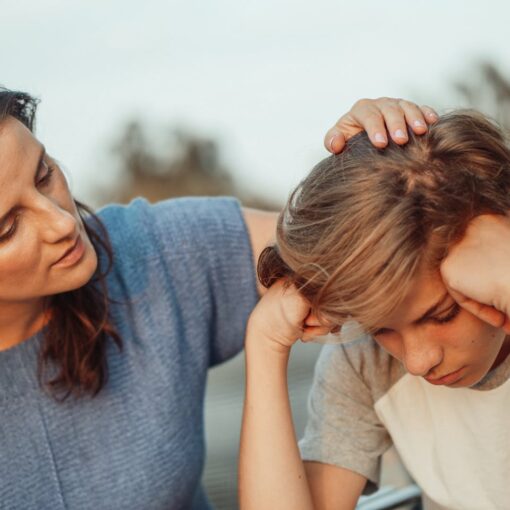
Getting a call from your child’s school saying they have been accused of bullying is one of the more disorienting moments a parent can face. Your first instinct may be to defend your child without hesitation, or you may feel a wave of shame that makes you question everything you have done as a parent.
Both reactions are understandable, but neither one will help your child. Taking a breath and looking at the situation clearly is the most important thing you can do.
Bullying Is a Signal, Not a Verdict
 Clinically speaking, bullying behavior in children and adolescents is rarely a sign of inherent malice. It is most often a visible sign of distress. A child who is causing harm to a peer is typically operating from a place of dysregulation, social powerlessness, or unresolved pain. They are not acting out because they are a bad kid. They are acting out because their nervous system has found dominance and control to be the only tools available for navigating an environment where they feel deeply insecure.
Understanding this reframes the entire situation. The school’s call is not a verdict on your child’s character or your parenting. Look at it as an intervention point.
Why Defensiveness Makes It Worse
If your immediate response is to go to war with the teacher, the administrator, or the other child’s family, you are sending your child a dangerous message. You are telling them that avoiding accountability matters more than repairing harm. When your child sees you build a wall around them, their developing brain absorbs the lesson that they do not have to face the consequences of their choices.
Bullying is frequently a bid for social control. Children who feel invisible, overwhelmed, or powerless in their academic or home life may conclude that diminishing others is the only reliable way to elevate themselves. Protecting your child from that reality does not heal it.
Approach With Curiosity, Not Punishment
When you sit down with your child, the goal is not interrogation. Shaming a child does not produce empathy. If you respond with yelling, harsh punishment, or labels, you trigger their nervous system into shutdown mode. At that point, they are no longer processing what they did. They are simply trying to survive your reaction.
The more effective approach is to separate identity from behavior. You can love your child fully and still hold the behavior completely unacceptable in the same conversation. Try saying something like, “I love you, and what I am hearing happened is not okay. Help me understand what was going on for you.”
From there, listen without interrupting. Ask what happened in their own words. Pay attention to what fears, pressures, or social anxieties may have driven the choice. Bullying rarely happens in isolation. It is often a group dynamic, and your child may be reacting to social pressure, a toxic peer group, or a perceived slight they never addressed.
Accountability That Actually Heals
Once the behavior is acknowledged, the focus needs to shift from punishment to repair. Real accountability means helping your child understand the impact their actions had on another person and guiding them toward making it right in a genuine way. A forced apology rarely works. A meaningful conversation about harm, followed by tangible repair, does.
This is also the moment to help your child build healthier ways to manage social stress and assert themselves, tools that will serve them far longer than any consequence alone.

If your child has been accused of bullying or you are navigating a difficult behavioral pattern and are not sure where to start,
Therapists at Wellness Matters can help. Feel free to contact us today to set up an appointment. You can connect with the Wellness Matters Intake Coordinator by texting or calling (218) 616-1276
At Wellness Matters, the intake process is all on-line and can be done in less than fifteen minutes. On-line appointments make it possible to attend appointments from the comfort from your home or office. In-person services may also be available for people living in northern MN.