What Causes Postpartum Depression?
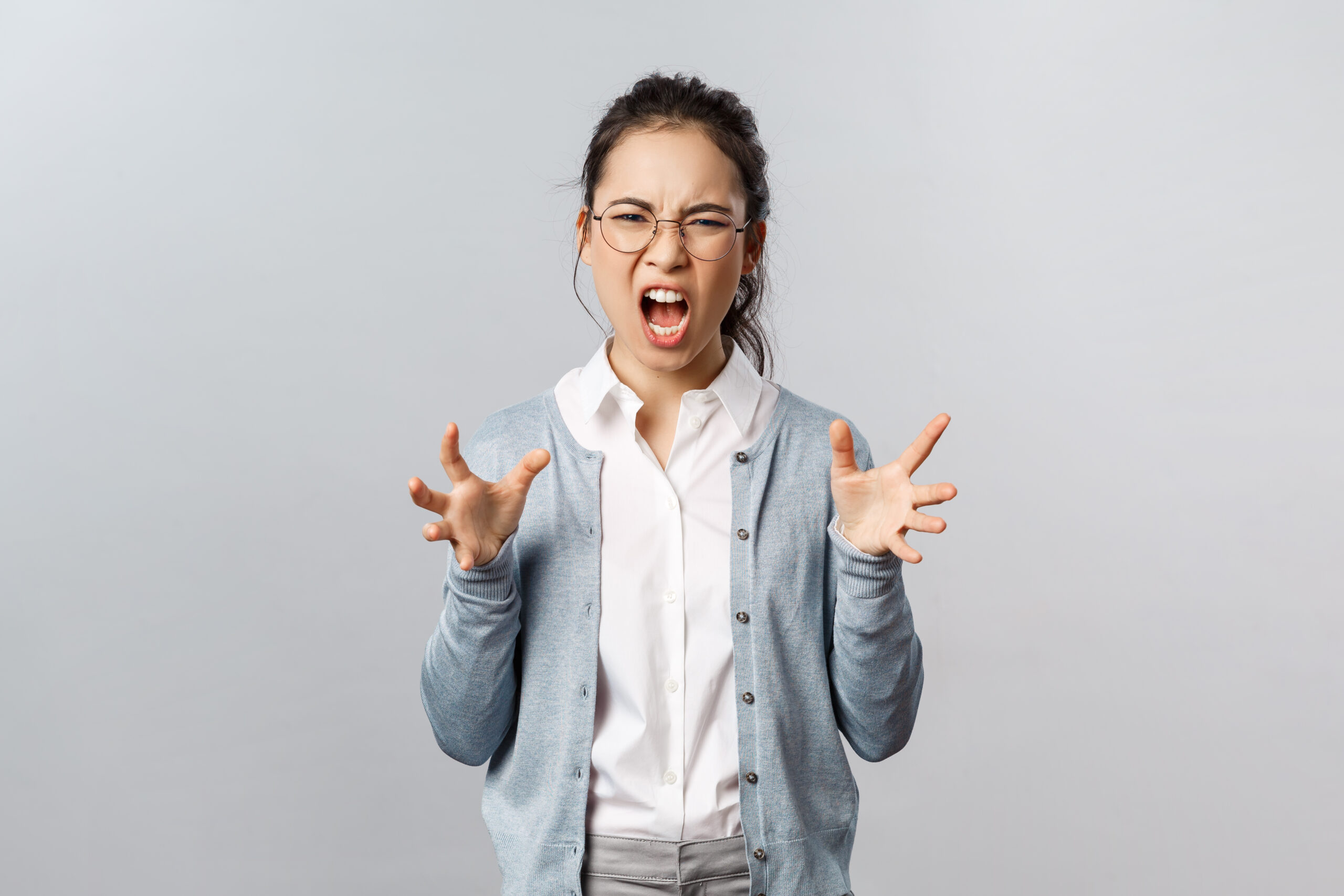
If you’ve been struggling with postpartum depression (PPD), you’re likely searching for answers. It’s completely natural to want to understand why this is happening to you. The important thing to remember is that postpartum depression doesn’t have a single cause. Rather, it’s usually the result of a combination of biological, emotional, and social factors working together.
Understanding these factors can be an essential step in your healing journey and can help you develop more compassion for yourself during this challenging time. Let’s dive a little deeper into some of those factors, so you can better understand why you’re dealing with PPD, and what you can do about it.
Hormonal Changes After Birth
During pregnancy, your body experiences significant hormonal shifts. You’re flooded with hormones like estrogen and progesterone that support not only your baby’s growth but also help regulate your mood and energy levels. Once you

give birth, these hormone levels drop dramatically within just a few days.
This sudden shift can create a cascade of effects, causing you to experience heavy emotions and physical exhaustion that goes beyond typical tiredness. Additionally, your thyroid levels can fluctuate after birth, which can mimic depression symptoms, including fatigue and mood swings.
The Impact of Sleep Deprivation
Sleep deprivation is an inevitable part of caring for a newborn. Whether you’re only getting a few hours of sleep at a time, dealing with nighttime feedings, or adjusting to irregular sleep schedules, this lack of rest takes a serious toll on your well-being.
Sleep deprivation actually impacts your brain chemistry and emotional regulation, making it much harder to cope with everyday stress and increasing your susceptibility to depression.
Physical Recovery Challenges
Childbirth is physically demanding, regardless of how your baby was born. Your body needs time to recover, and this healing process can be more complex than many people realize.
When you add in challenges like breastfeeding difficulties, ongoing physical discomfort, or adjusting to changes in how you see your body, it all adds emotional weight during a time when you’re already feeling overwhelmed.
Emotional and Psychological Factors
Becoming a parent represents a significant life adjustment. You’re navigating new responsibilities while often feeling pressure to do everything perfectly, which can contribute to anxiety and guilt.
If you have a history of mental health challenges — whether you’ve struggled with depression, anxiety, or trauma — you may be more likely to experience postpartum depression. This doesn’t mean you’re weak; it simply means you may need extra support during this transition.
Social and Environmental Influences
Your support system plays a crucial role in your mental health during the postpartum period. If you’re feeling isolated, don’t have family nearby, or lack a supportive partner, these factors can significantly contribute to PPD.
Financial strain can also be a major stressor, especially if you’re juggling work responsibilities while trying to manage childcare demands. For many women, cultural expectations add another layer of stress — like the pressure to “bounce back quickly” after giving birth.
Remember: This Isn’t Your Fault
Postpartum depression is caused by a complex mixture of biological, emotional, and social factors. It has absolutely nothing to do with being a failure as a parent or not loving your baby enough. PPD is a real medical condition that deserves proper treatment and care, including parenting support for depression.
Understanding these causes can help reduce shame and remind you that this situation isn’t your fault. The good news is that postpartum depression is very treatable. Seeking support doesn’t make you weak. It shows your strength and commitment to getting better for both you and your family.

Wellness Matters has therapists who can help. Feel free to contact us today to set up an appointment. You can connect with the Wellness Matters Intake Coordinator by texting or calling (218) 616-1276
At Wellness Matters, the intake process is all on-line and can be done in less than fifteen minutes. On-line appointments make it possible to attend appointments from the comfort from your home or office. In-person services may also be available for people living in northern MN.