Ease Your Child’s School Anxiety
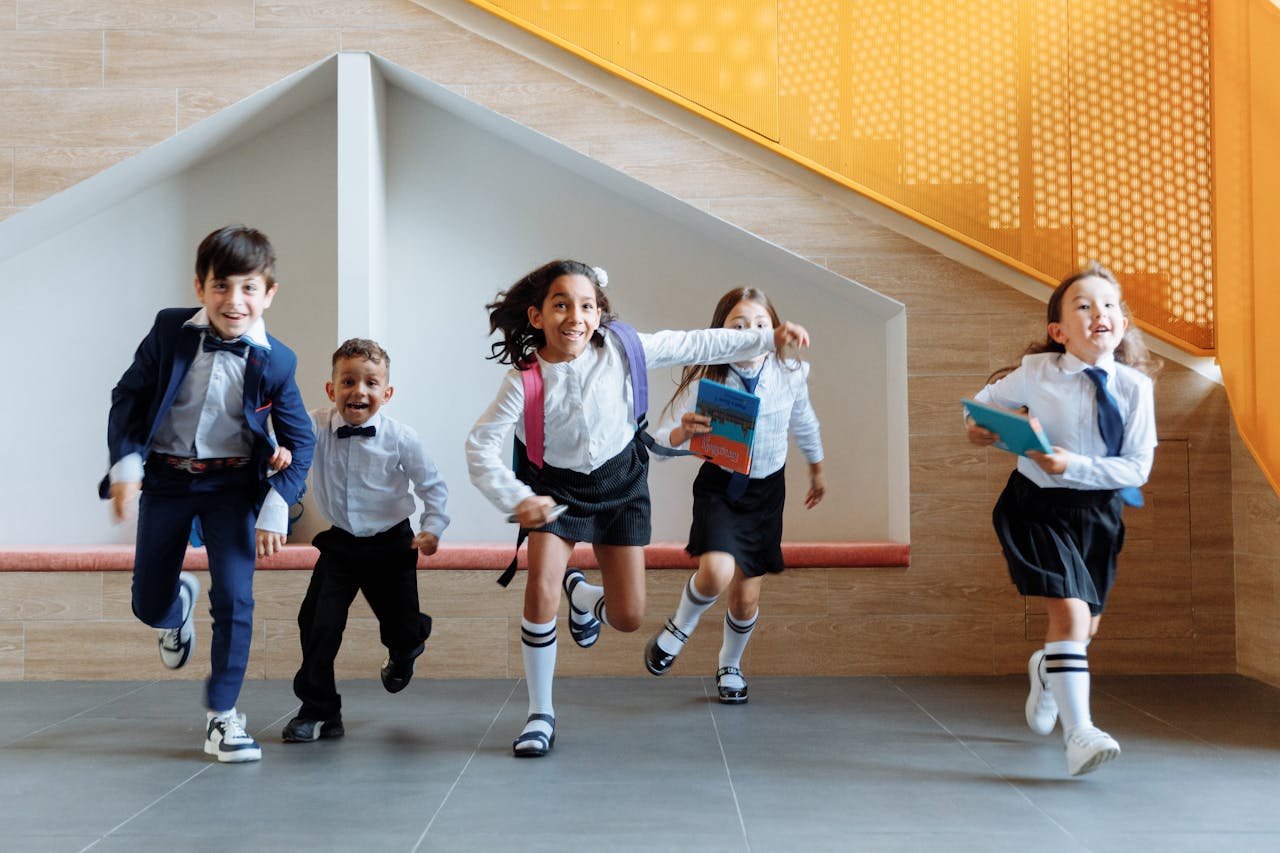
As summer starts to wind down, it’s time to think about heading back to school. It can be an exciting time, full of buying new school supplies, thinking about what the year will bring, and watching your child continue to learn and grow.
However, your child might not be quite as excited. If you’ve noticed that they’re more anxious than happy about heading back to school, it’s important not to ignore those red flags.
While some nerves about school are normal, anxious thoughts can quickly take over and make the experience a negative one. Thankfully, as a parent or caregiver, there are techniques you can use to help ease your child’s school anxiety. Let’s cover a few you can put into practice right away.
Start Routines Now
 Kids thrive on routine. Maybe things have been less structured throughout the summer, and that’s fine. Everyone deserves a break, and if your kids have stayed up a bit later or slept in each day, there’s nothing wrong with that.
However, now is the time to start getting back into the swing of things before the school year starts. Start practicing wake-up times and bedtimes a week or two before they go back to school. It will help to get their minds and bodies ready for the year without overwhelming them on the first day.
Practice Anxiety Management
If your child tends to struggle with anxiety more often than not, you can teach them techniques that will help to calm their nerves, even when you’re not there.
Sometimes, simple deep breathing exercises can make a big difference. Encourage them to take slow, deep breaths through the nose and out the mouth. A few minutes of deep breathing can calm their nerves and help them feel less fearful.
Techniques like mindfulness can also help. It will keep them grounded and in the present, rather than worrying about the “what ifs” ahead of them.
Allowing your child to take a small comfort item to school can also help. It might be a small trinket or fidget toy they can reach for when they’re feeling overwhelmed.
Encourage Communication
Home should be a safe space where your child can express their feelings and concerns without worrying about being judged. Let them know they can talk to you about their feelings openly. Make sure you’re validating those feelings, no matter what.
It’s also important to let them know it’s okay to feel anxious sometimes. Sometimes, talking about it can be a healthy way to cope, so encourage them not to bottle up their feelings.
You can also work with the school administration and teachers. If your child is struggling with anxiety, creating a united front of support will help them. The school can provide additional support and understanding throughout the year, ensuring your child has what they need to succeed without letting anxiety take over.
Seek Support
If your child’s anxiety is impacting their quality of life or causing disruptions in their daily routine, it could be time to consider child therapy or counseling to help them manage their anxious thoughts. Online therapy can be especially effective for a child, as it allows them to receive help from the comfort of their own home.
Therapy can help your child better understand where their thoughts are coming from and why they’re so invasive. They’ll also learn even more strategies to overcome their worries, so they can enjoy their time at school.
As a parent, it can be hard to see your child struggling with anxiety over heading back to school. Keep these techniques in mind to make the transition easier, and don’t hesitate to reach out for help.

Please don’t hesitate to reach out for help. Wellness Matters therapist Carolyn specializes in working with young people. Feel free to contact us today to set up an appointment. You can connect with the Wellness Matters Intake Coordinator by texting or calling 218) 616-1276
At Wellness Matters, the intake process is all on-line and can be done in less than fifteen minutes. On-line appointments make it possible to attend appointments from the comfort from your home or office. In-person services may also be available for people living in northern MN.