What Is Postpartum Depression?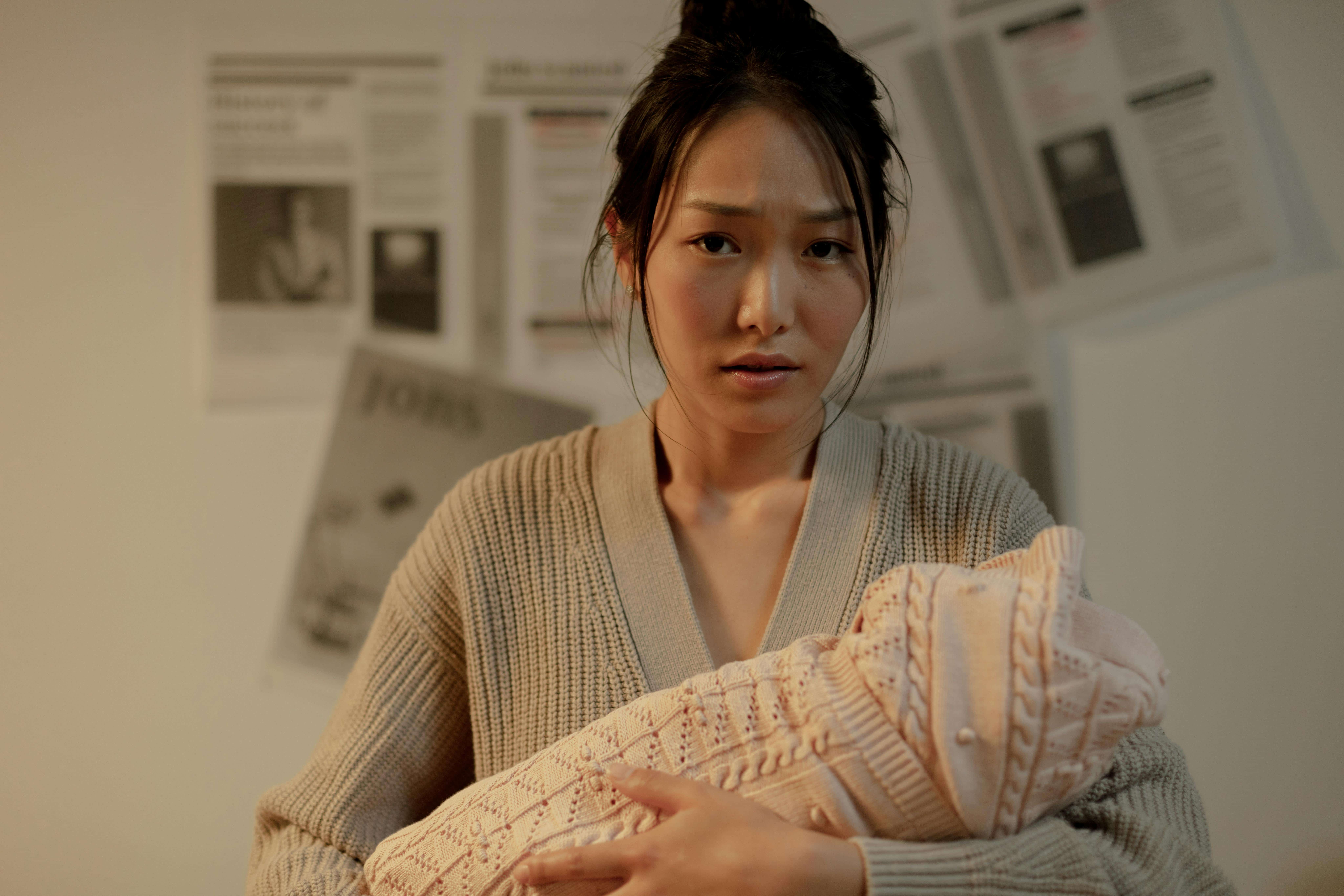
Welcoming a baby into the world is often described as a time of joy, love, and new beginnings. However, for many new parents, that picture doesn’t match reality.
Instead of feeling only happiness, they may feel waves of sadness, anxiety, or disconnection that don’t seem to go away. This isn’t just the “baby blues.” It could be postpartum depression (PPD).
Understanding what PPD looks like is crucial for new parents. Don’t brush it off as something you should ignore, and don’t allow yourself to sit in a bed of guilt because you’re feeling things you think you shouldn’t.
Let’s take a closer look at what postpartum depression is, and what you can do to find the help you deserve.

The Difference Between “Baby Blues” and Postpartum Depression
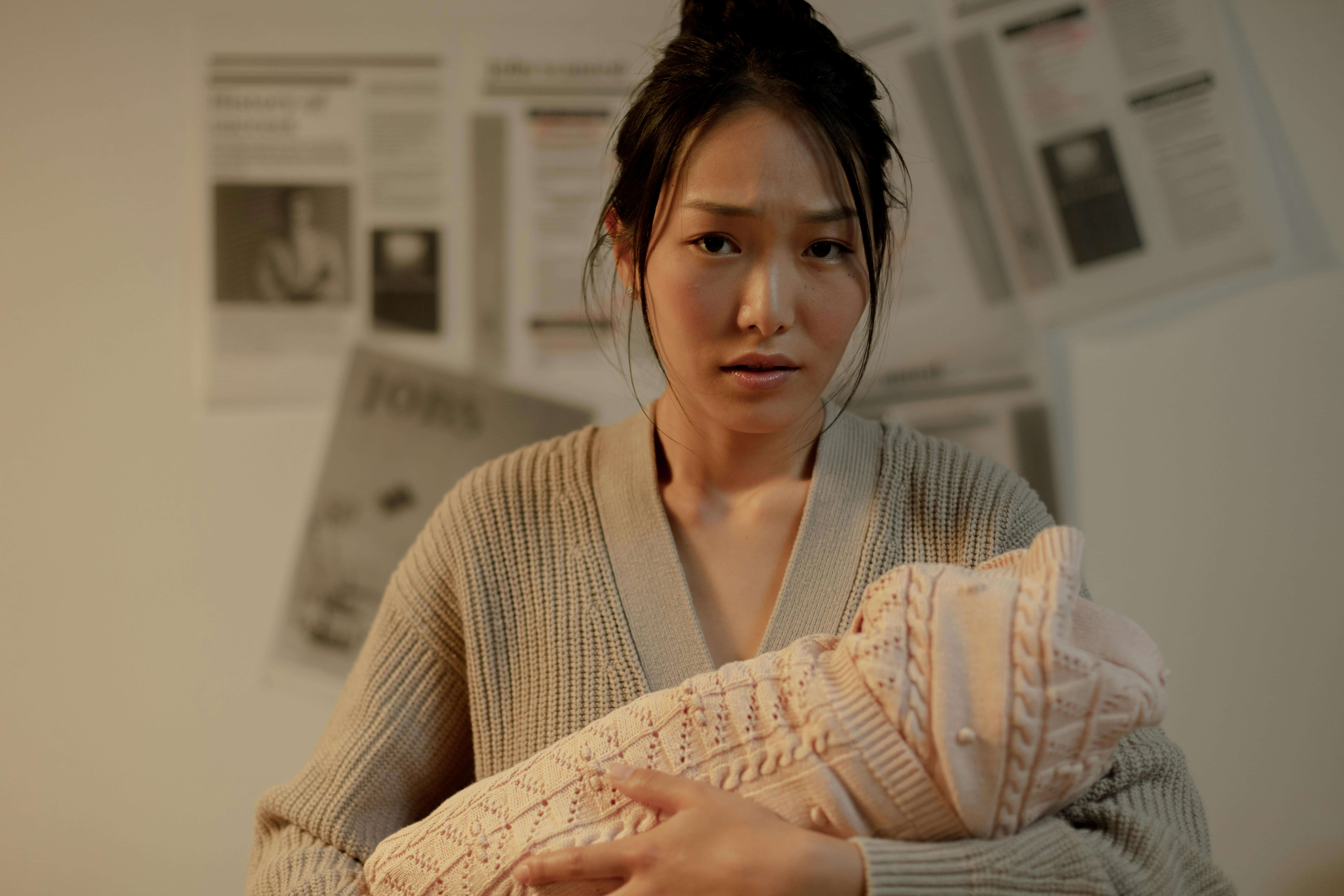
It’s normal for new parents to feel overwhelmed in the first couple of weeks after birth. Hormones are shifting, sleep is disrupted, and life has been turned upside down. Many people experience mood swings, tearfulness, or irritability. These feelings are often referred to as the “baby blues.”
The baby blues usually fade within 1–2 weeks. Postpartum depression, however, is different. Symptoms last longer than two weeks, they can feel more intense and persistent, and they interfere with daily functioning and bonding with the baby.
Common Symptoms of Postpartum Depression
Postpartum depression doesn’t look the same for everyone. Symptoms can vary and be more severe for some than others. However, some of the most common include:
- Persistent sadness, emptiness, or hopelessness
- Loss of interest or pleasure in activities once enjoyed
- Difficulty bonding with the baby
- Intense irritability or anger
- Changes in appetite or sleep
- Feelings of guilt, shame, or worthlessness
- Anxiety, restlessness, or constant worry
- Trouble concentrating or making decisions
In severe cases, PPD can involve thoughts of harming oneself or the baby. That can be a terrifying experience for new parents, and it’s something to seek help for right away. If that seems to be a symptom for you, don’t hesitate to reach out to a professional immediately.
Why Does It Happen?
Postpartum depression doesn’t have a single cause. Instead, it’s usually a mix of physical, emotional, and social factors. Some contributing factors include hormonal shifts after childbirth, sleep deprivation, a lack of support, or stressful life events happening alongside having your new baby.
You might be at a greater risk of developing PPD if you have a previous history of depression, anxiety, or trauma. Even if you’ve been able to overcome those issues in the past, the factors that often come with having a baby, including extra stress and a lack of sleep, can “trigger” mental health conditions that might have been manageable until now.
Who Can Experience PPD?
It’s important to remember that postpartum depression is not a sign of weakness or failure. It’s a real medical condition that many new parents face.
While postpartum depression is most commonly discussed in mothers, any parent can experience it, including fathers, non-birthing partners, and adoptive parents. The adjustment to parenthood, combined with stress and lack of sleep, can affect everyone.
Why Recognizing Postpartum Depression Matters
Untreated postpartum depression can take a toll on both parent and baby. It can impact bonding, relationships, and overall family well-being. But with support and treatment, such as parenting counseling, support groups, and sometimes medication, recovery is absolutely possible.
Postpartum depression is more common than many people realize, and experiencing it doesn’t mean you’re a bad parent. It means you’re human. You deserve support, care, and healing.

Wellness Matters has therapists who can help. Feel free to contact us today to set up an appointment. You can connect with the Wellness Matters Intake Coordinator by texting or calling (218) 616-1276
At Wellness Matters, the intake process is all on-line and can be done in less than fifteen minutes. On-line appointments make it possible to attend appointments from the comfort from your home or office. In-person services may also be available for people living in northern MN.